
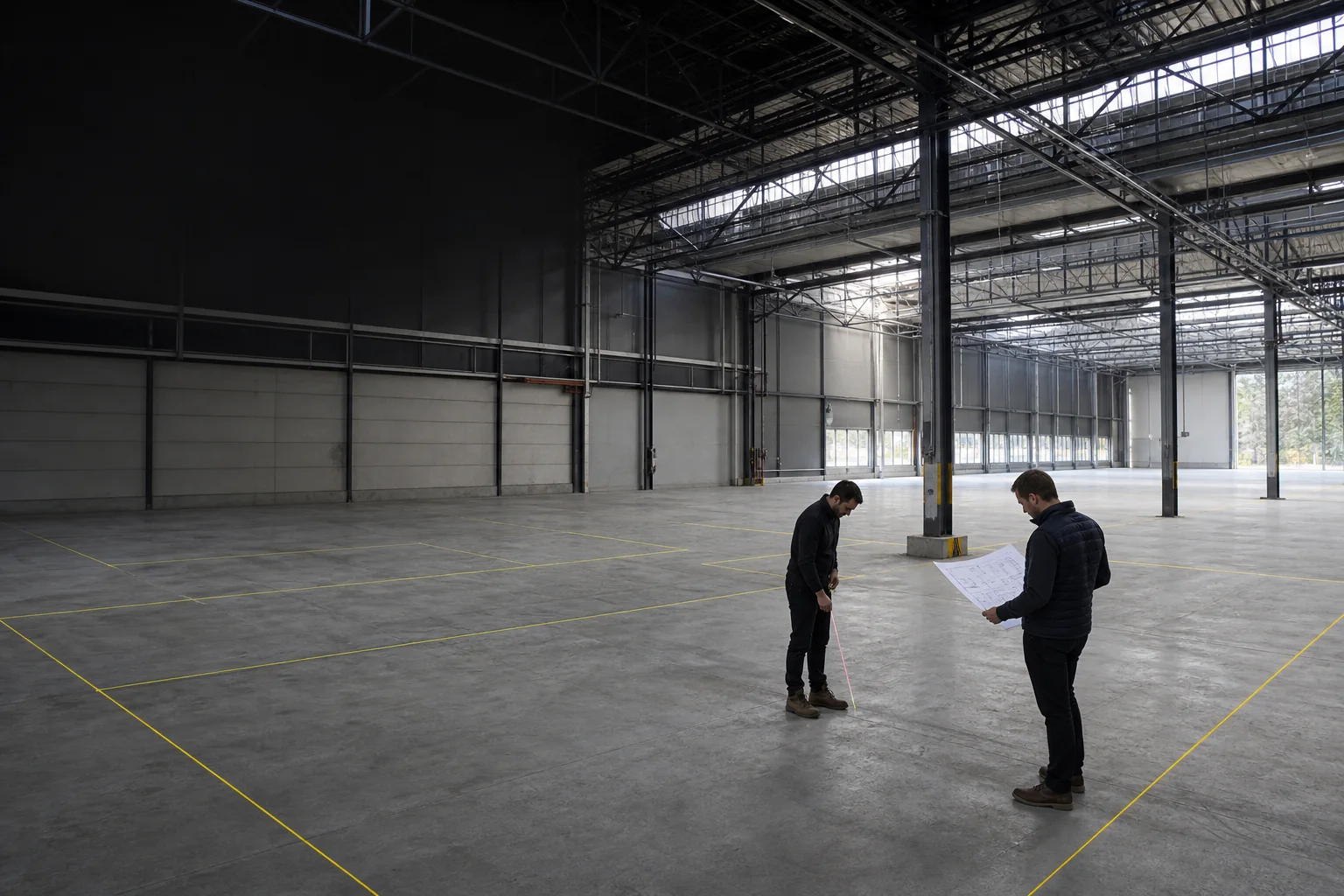
The square-metre rate is visible. The economically decisive factors are often hidden: how many compliant courts fit without dead space? How many willing players can reach the hall in 20 minutes? How many bookable hours remain after noise, energy and permitting constraints?
Germany is growing, but padel remains a local location market.
The FIP World Padel Report 2025 estimates Germany at 325 clubs, 875 courts and 350,000 amateur players. That equates to an average 2.7 courts per club, about 95,000 residents and 400 amateur players per court. These national figures show an early-stage market, but do not replace local assessment.
A club sells time slots to people who must return. Catchment, travel time, competition, visibility and community offering therefore matter more than national growth. Even within one region, two halls can have entirely different demand profiles.
The seven KPIs for the first site check.
- 01Catchment
Population and purchasing power within 10, 20 and 30 minutes, not just city limits.
- 02Demand signals
Existing players, search interest, waiting lists, clubs, universities and employers.
- 03Court density
Existing and announced courts by relevant drive time, including indoor availability.
- 04Usable geometry
Court count after columns, height, escape routes, changing and social areas.
- 05Occupancy cost
Rent, service charges and conversion cost per economically usable court.
- 06Accessibility
Parking, public transport, safe evening access, visibility and step-free routes.
- 07Operability
Permits, noise, fire safety, energy, opening hours and fit-out timeline.
Gross area is not court area.
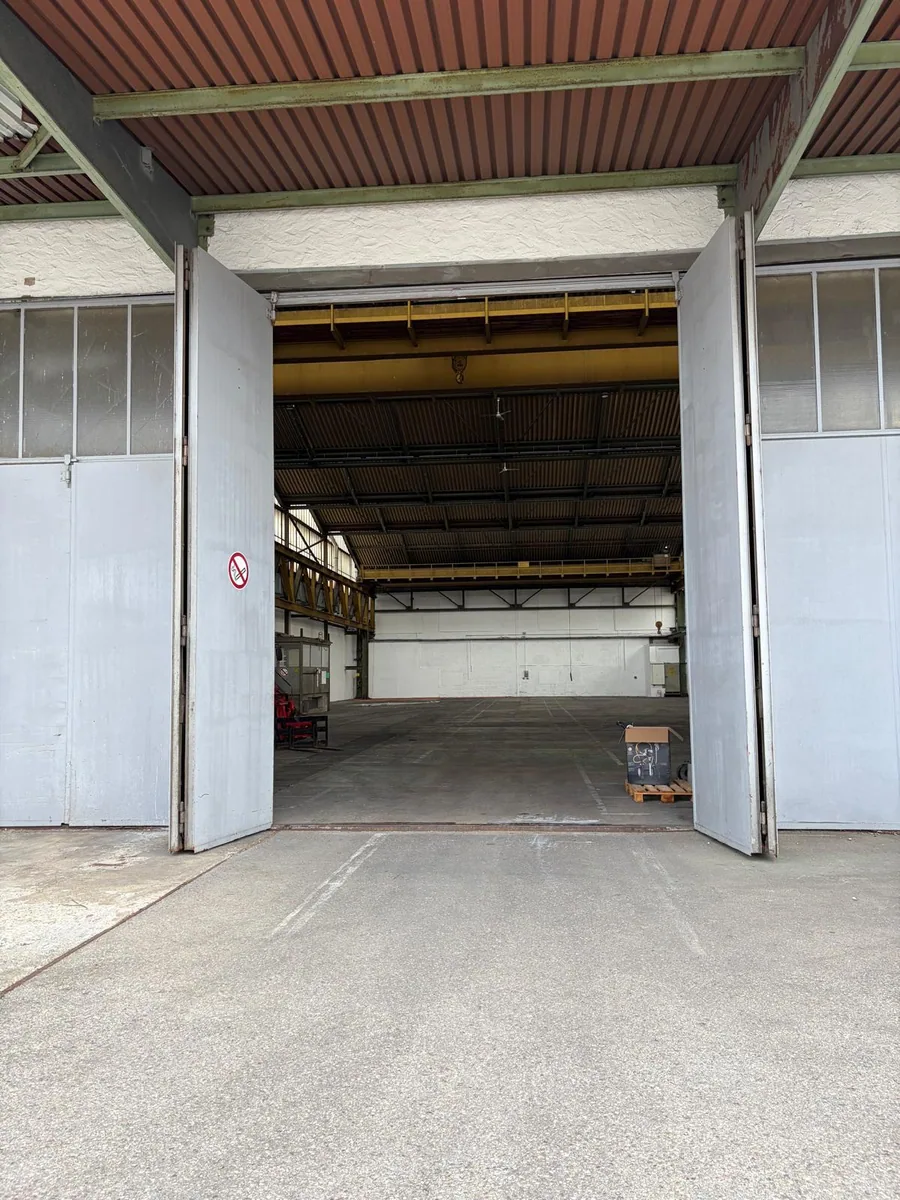
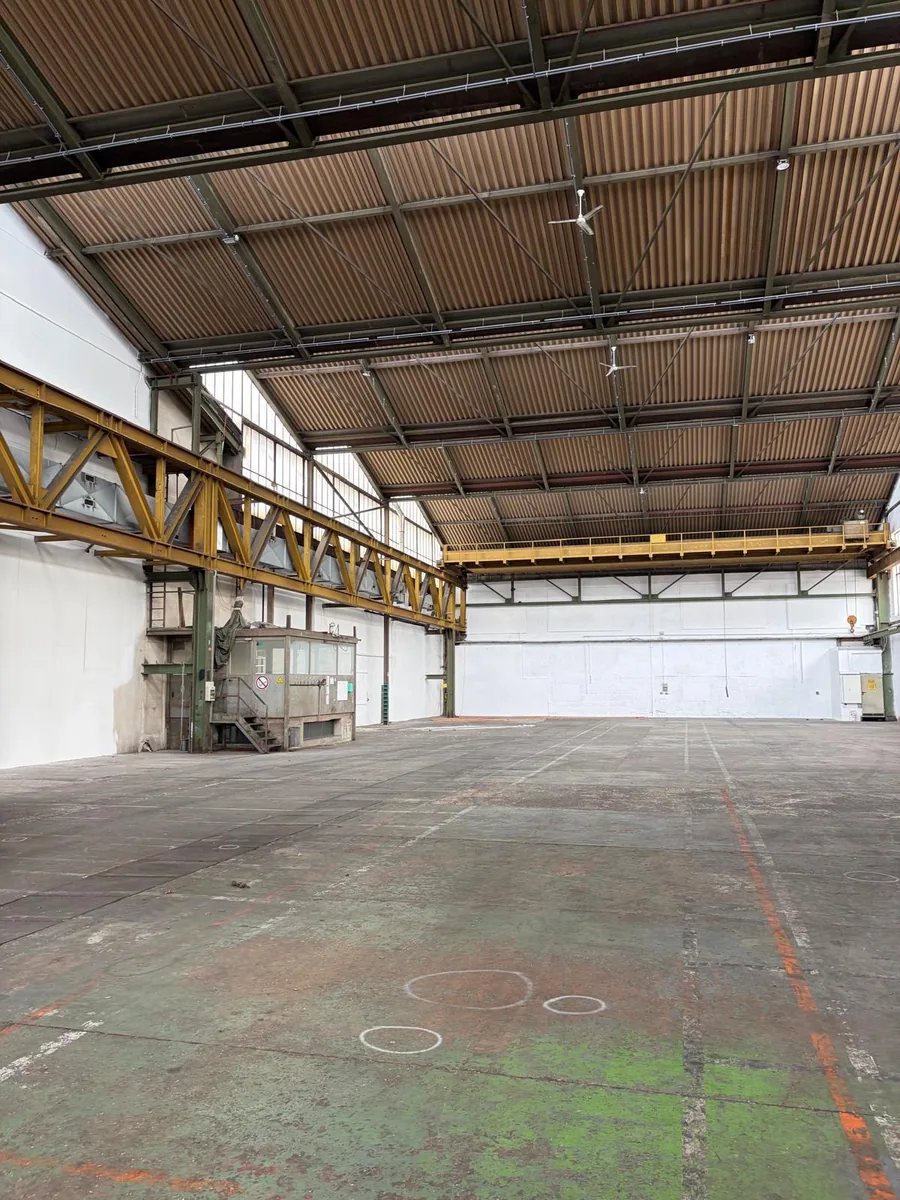
A hall can look large in a listing and still perform poorly. Column grids, roof beams, crane rails, low edge zones or poorly positioned doors can block court locations. Safe clearances, spectator circulation, reception, storage, sanitary areas, plant and escape routes also consume space.
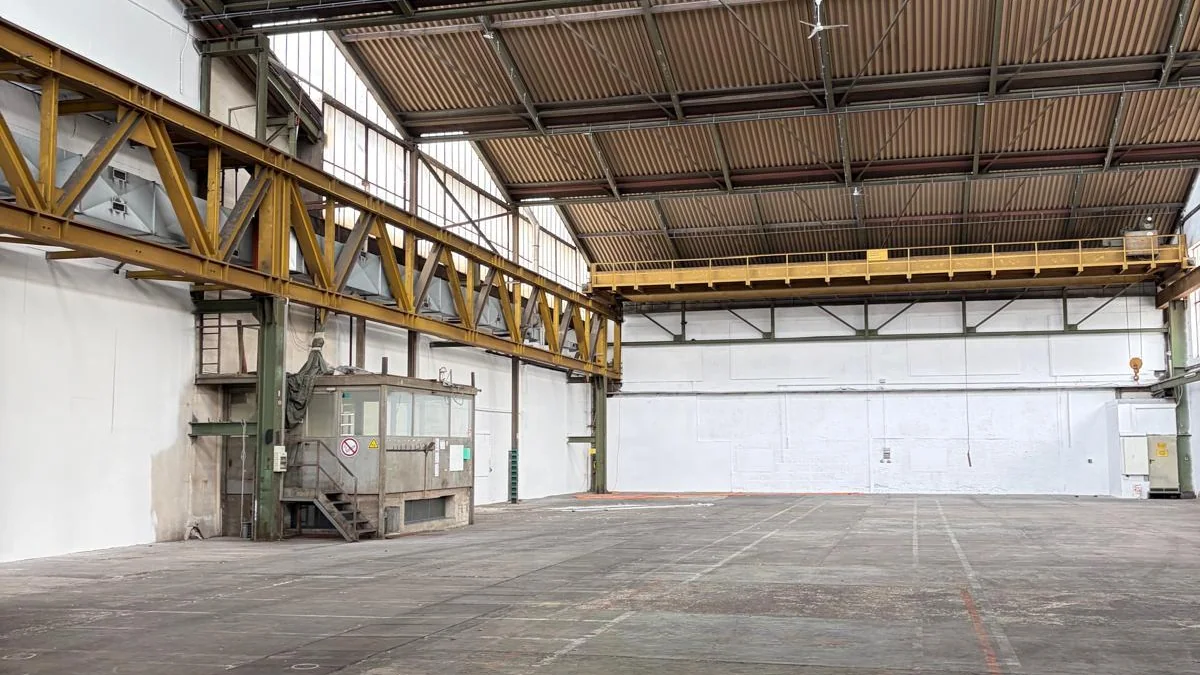
Clear height is particularly important for padel. It must work not only at the court centre but across the relevant playing volume. An early digital survey and court layout prevent the business case from counting courts that later prove unpermittable or unplayable.
The right comparison: site cost per productive court.
Do not compare only €/m². Divide rent, service charges and site-specific conversion cost by the number of courts that can realistically operate. A 2,000 m² hall with four courts may be economically worse than a more compact hall with five efficient courts.
The second layer is investment cost per court. Flooring, roof, fire safety, electrical, sanitary, acoustics and hospitality can quickly outweigh low rent. Rent-free fit-out time and dependable long-term options are therefore real financial metrics.
Demand must be translated into bookable hours.
Many interested people do not automatically create high utilisation. What matters is when they want to play, which price they accept and how often they return. Prime time, mornings, weekends and corporate slots need separate assumptions.
The 2026 Hamburg feasibility study models about 5.4 occupied hours per court per day as its operating-cost threshold in the realistic scenario. The number is not transferable, but illustrates why time-concentrated demand and off-peak programmes must be explicit in the site model.
The largest hall does not win; the hall with the most realistically monetisable court time after all site costs does.
From listing to investment case.
- 01Desktop screening
Drive times, population, competition, use class and initial geometry.
- 02Site inspection
Survey, height, columns, roof, access, parking and neighbours.
- 03Technical review
Fire safety, permit, structure, acoustics, energy and fit-out.
- 04Operating model
Court hours, prices, ramp-up, staffing, ancillary revenue and cost.
- 05Decision
Compare downside, base and upside; document stop criteria.
Red flags that make a cheap site expensive.
- Court count is based on gross area rather than a verified layout.
- Permit or noise protection is only addressed after lease signature.
- Utilisation is modelled as a daily average without time windows.
- Competing projects under construction or planning are absent from the catchment review.
- Energy, roof or fire-safety investment is not budgeted.
- The lease term is shorter than the economic payback of the fit-out.
Have a hall assessed
MorePadel assesses halls, commercial space and land for geometry, catchment and operating potential.