
A growing market is no substitute for project review. This guide explains the figures, contracts and risks investors should understand before participating in a padel club.
What does a padel investment actually mean?
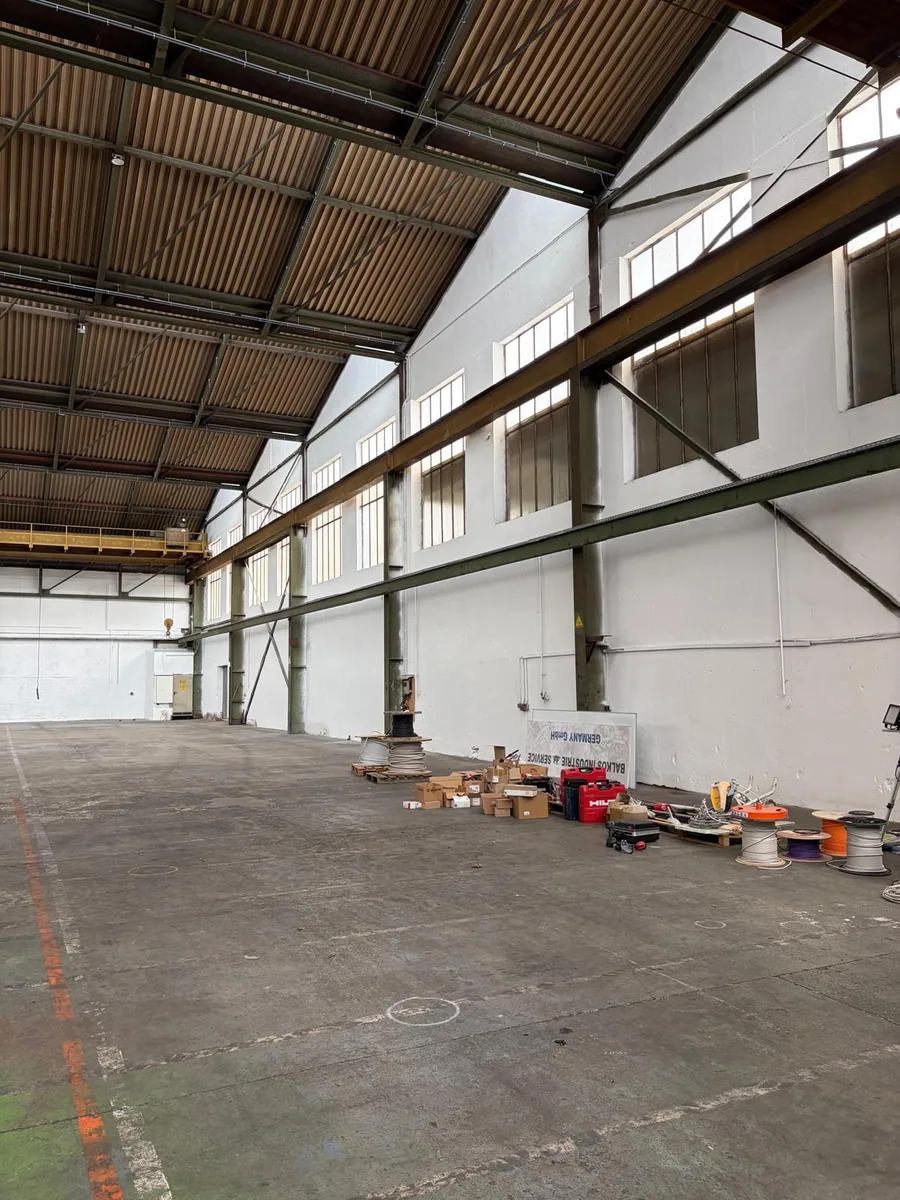
Padel investment can mean building your own courts, acquiring equity in an operator, taking a franchise or financing a specific club company. The first question is therefore what legal right the investor actually acquires. A physical hall or court in the background does not automatically provide ownership of that asset.
At MorePadel, economic participation is project specific. The final terms govern distributions, duration, information rights, transferability and ranking. Marketing copy and model graphics do not replace those contracts.
The 12 metrics and documents for padel due diligence
A robust review connects market, property, operations and contract structure. A high target utilisation or short payback is never enough on its own; the assumptions need to work together and remain financeable in a downside case.
- 01Instrument
Identify the issuer, the rights acquired and the contractual ranking.
- 02Total funding need
Include courts, fit-out, services, deposit, pre-opening cost and contingency.
- 03Use of funds
Map each part of the raise to a concrete cost or deliverable.
- 04Lease
Review term, options, indexation and permitting conditions.
- 05Hall geometry
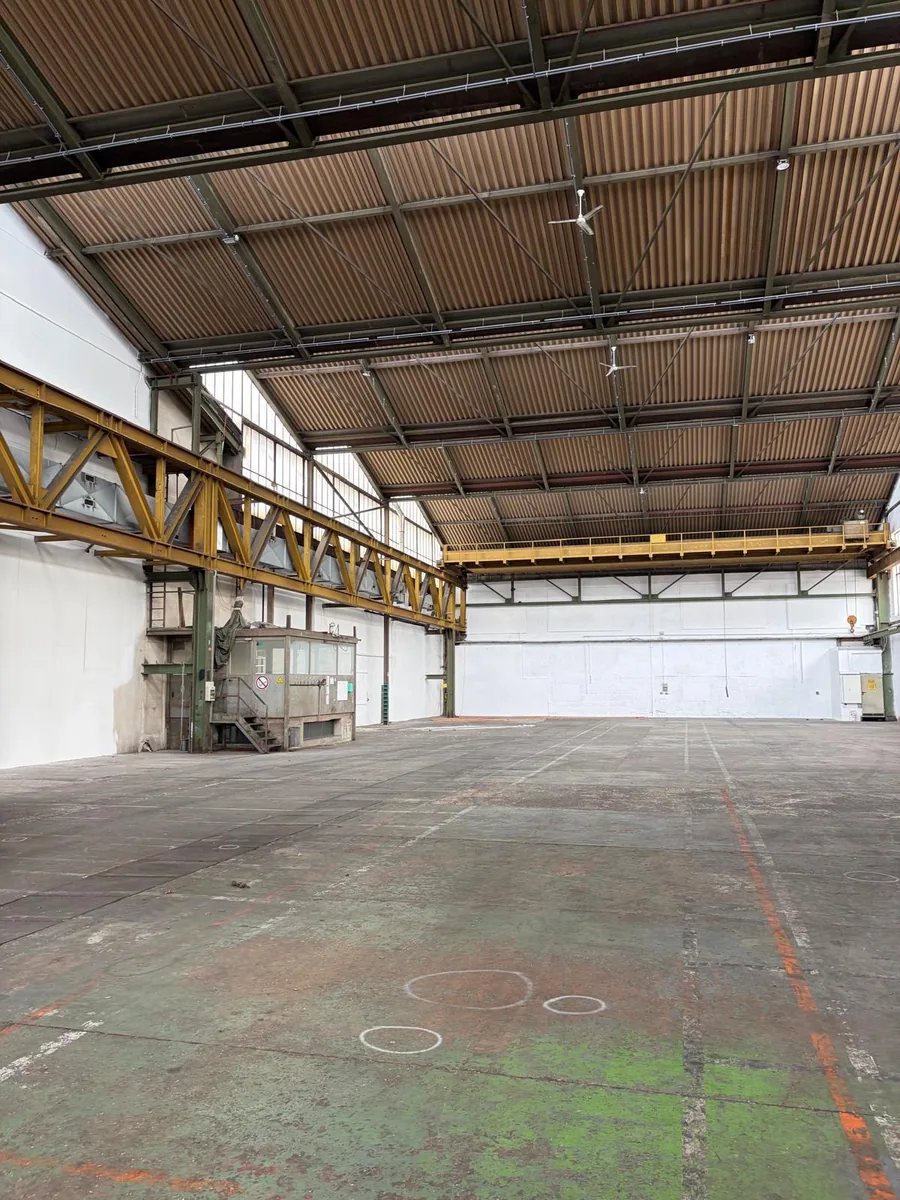
Validate height, columns, escape routes, acoustics, parking and layout.
- 06Catchment
Measure realistic drive-time population, companies and players.
- 07Competition
Include existing and planned courts in the same time windows.
- 08Sellable court hours
Distinguish usable capacity from theoretical opening hours.
- 09Price and utilisation
Separate peak, off-peak, discounts and ramp-up.
- 10Operating cost
Include staff, energy, cleaning, software, maintenance, taxes and reserves.
- 11Distribution mechanics
Understand what remains after tax, reserves and reinvestment.
- 12Liquidity and exit
Review lock-up rules and whether a realistic buyer market exists.
Read returns correctly: EBITDA is not a distribution.
A club can be operationally profitable and still make no distribution for a period. Operating cost, tax, maintenance, replacement investment and reserves sit between revenue and distributable profit.
IRR, cash yield, MOIC and payback answer different questions. None is a guarantee. A serious model presents downside, base and upside cases and makes every material driver visible.
The largest risks often arise before opening.
New clubs combine development, construction, permitting, demand and operating risk. Delays can increase rent and pre-opening cost before revenue starts; an optimistic utilisation assumption is particularly damaging because much of the cost base remains fixed.
Project participations are also illiquid. A contractual transfer option does not ensure a buyer. Investors should only commit capital they can leave invested and could afford to lose entirely.
- 01Development
Permits, fire safety, noise or fit-out take longer than planned.
- 02Demand
Utilisation or willingness to pay remains below the model.
- 03Operations
Pricing, community, coaching and staffing underperform.
- 04Funding
Contingency and working capital are insufficient.
- 05Liquidity
The participation cannot be sold quickly.
- 06Issuer
Financial distress at the project company may cause a total loss.
Documents that should exist before a decision
Investors should receive a clear project description, market review, investment budget, scenario model, use of funds, participation terms and full risk information. A development project also needs evidence on the lease, permitting status, fit-out plan and supplier pricing.
Check who prepared the model, when it was updated and which assumptions remain unconfirmed. Professional project documents separate verified facts, contracted amounts and management assumptions.
A structured review reduces avoidable mistakes
Start with the investment thesis, then assess site and budget, stress the operating model and only afterwards evaluate headline returns. Finally reconcile model, contract and risk information.
MorePadel keeps public information concise and releases project-specific models and contracts personally after an access request. Participation only arises after review, KYC, contract and payment.
Review padel participation in context
The pillar page explains structure, process, distributions and material risks from €10,000.