
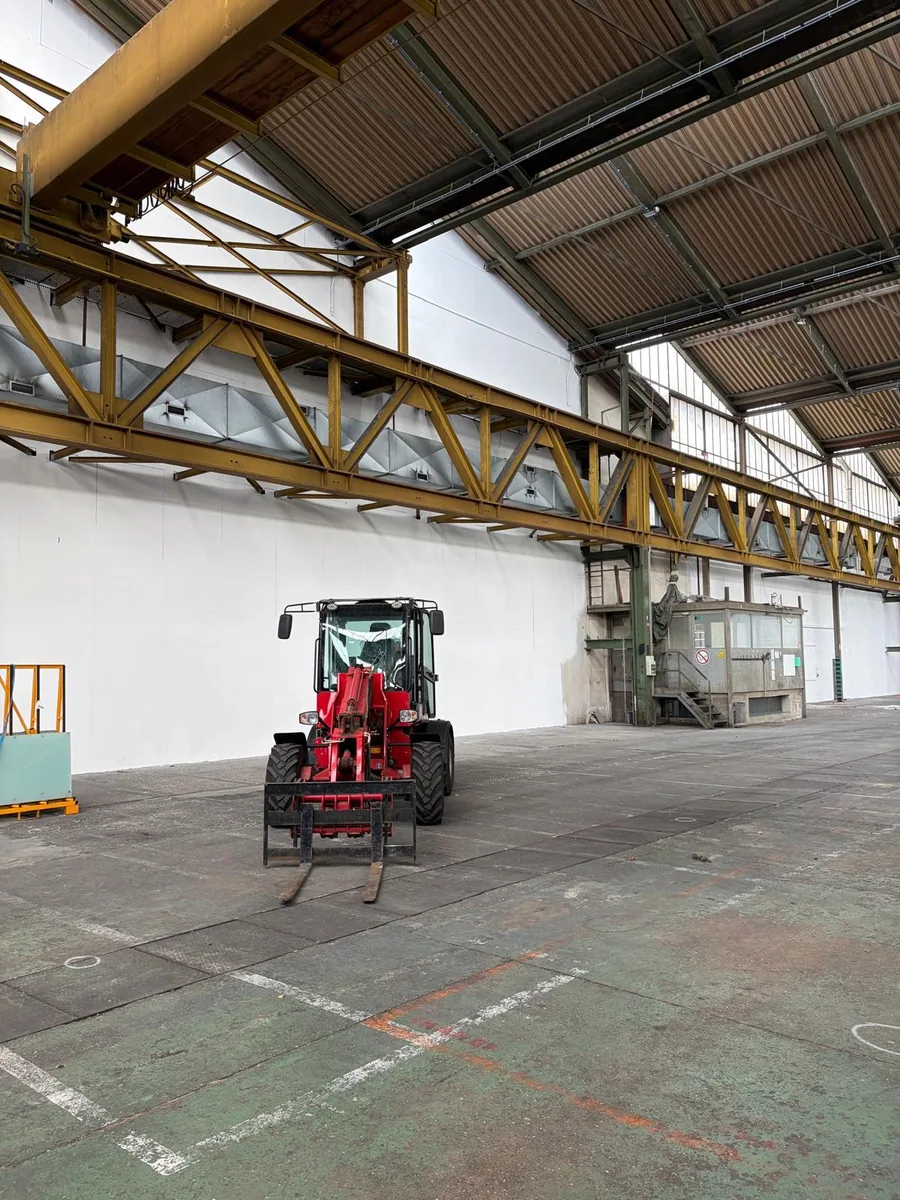
The court quote is only one part of the budget. A robust funding need covers property, services, fit-out, ramp-up and contingency, illustrated through the real Neuötting model.
The short answer: there is no credible single price for a padel hall.
Cost differs radically between outdoor courts, an existing hall and a new build. Two halls with the same floor area can require very different spending on roof, floor, fire safety, power, changing rooms, acoustics and permitting.
A court-only quote therefore understates the investment. A club budget needs to combine court systems, transport, assembly, floor, lighting, reception, changing, IT, planning, deposit, pre-opening cost and liquidity reserve.
The Neuötting model: €429,302 of total capital
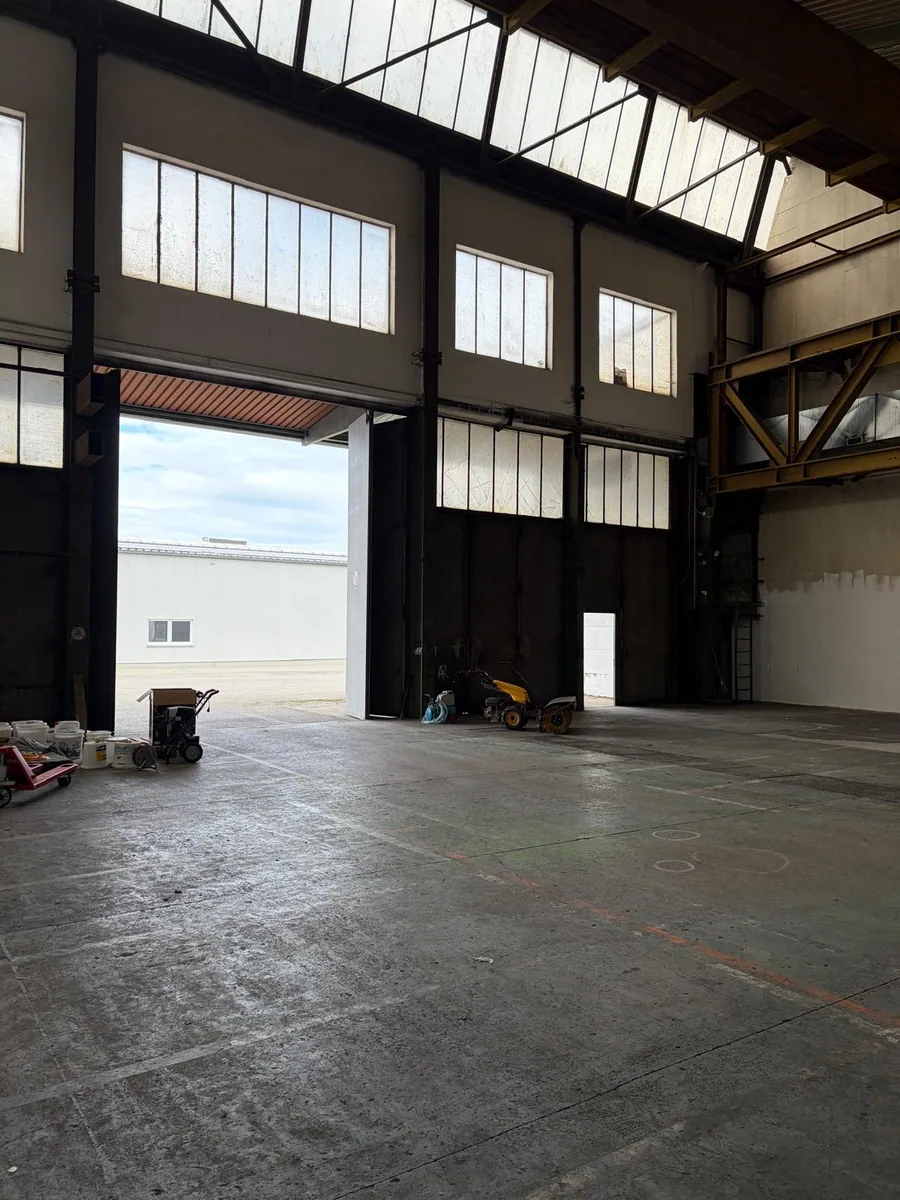
The MorePadel Neuötting model uses five indoor courts across 1,390 square metres. Base CAPEX is €351,960. A 20% contingency brings the investment and fit-out block to €422,352, followed by a €6,950 deposit and total model capital of €429,302.
These are project values, not an industry benchmark. They demonstrate why a budget must reach a fully operational club and fund the start-up period.
- 01Courts & assembly
Systems, freight, access, installation and acceptance.
- 02Hall & floor
Substrate, protection, repairs and adaptation.
- 03Services
Lighting, power, network, access, ventilation and heat.
- 04Guests & staff
Reception, lounge, changing, sanitary, storage and staff areas.
- 05Planning & permits
Architecture, specialists, fire safety, acoustics and authorities.
- 06Opening & reserve
Deposit, pre-opening rent, recruitment, launch and working capital.
Existing hall or new build: the economics are different.
An existing hall may provide structure, roof and utilities but create uncertainty around floor quality, columns, escape routes, acoustics and services. A low rent is not valuable if the court layout fails or adaptation consumes the saving.
A new build provides more control over layout and energy, while land, structure, planning and financing increase capital and lead time. Investors need the all-in amount to operating start, not a category label.
Investment cost and operating cost must remain separate.
CAPEX creates the long-term club; OPEX runs it. Rent, staff, energy, cleaning, software, insurance, maintenance and operating reserves all need funding during ramp-up.
Neuötting models €3,475 monthly rent, €834 utilities, €160 parking and €17,291 of total fixed monthly operating cost. A 12-month ramp means those costs run before target utilisation is reached.
Contingency is not an optional reserve.
Quotes change, cable runs are longer, floors need extra work and authorities may request adaptation. Without contingency, every deviation becomes a refinancing need.
A percentage reserve is only a starting point. Good planning assigns each major risk an owner, deadline and potential cost, replacing estimates with quotes and contracts as the project matures.
The budget checklist before lease or investment
Bring together a verified layout, technical survey, permitting route, supplier quotes and timeline. Check treatment of VAT, financing cost, ramp losses and replacement investment.
Investors should also establish whether the project is fully funded. Strong unit economics cannot compensate for a funding gap that stops construction or dilutes earlier participants.
Connect cost to the operating model
The padel business-plan guide connects capital need, utilisation, pricing and fixed cost.